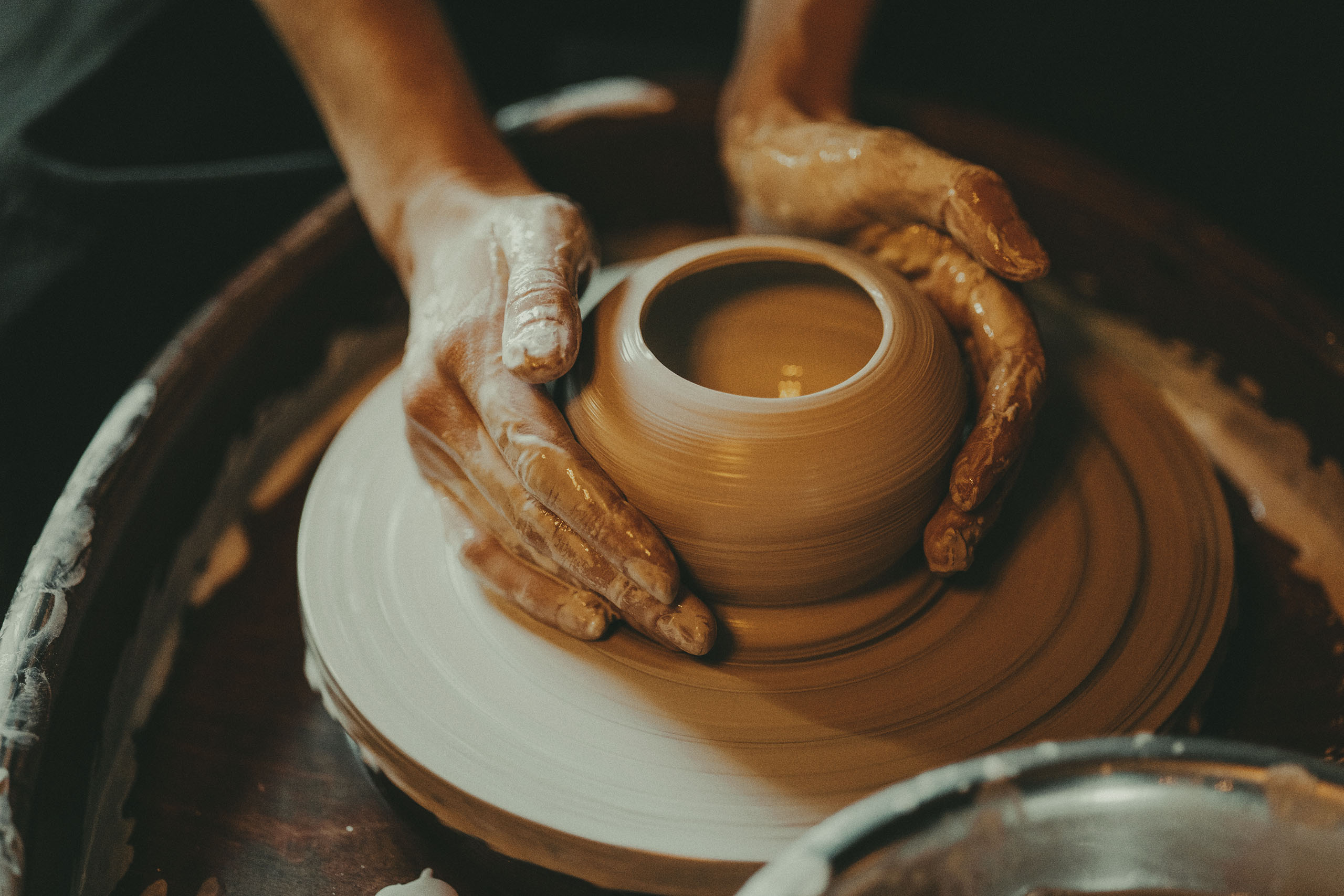
Makers, Materials, and Meaning
The relationship between people, materials, and place lies at the heart of Japanese craftsmanship.
Introduction
Traditional craft begins with materials.
Clay, wood, metal, bamboo, paper, lacquer, and countless other natural resources have shaped the development of Japanese craftsmanship for centuries.
Yet materials alone do not create meaningful objects.
Craft emerges when knowledge, experience, and intention meet the natural qualities of a material.
The story of craft is ultimately the story of a relationship.
The Wisdom of Materials
Every material has its own character.
Wood expands and contracts with humidity. Clay changes as it dries and fires. Metal responds to heat and pressure. Natural fibers behave differently depending on climate and season.
Skilled makers do not force materials into submission.
Instead, they learn to understand their qualities and work alongside them.
This sensitivity is one of the defining characteristics of traditional craftsmanship.
The Role of the Maker
Tools and techniques are important, but craftsmanship is ultimately human.
A maker brings judgment, patience, and accumulated experience to every stage of the process.
Many decisions are invisible to the observer. Small adjustments made during production often determine the final quality of a piece.
What appears effortless is usually the result of years, sometimes decades, of practice.
Craft and Place
Traditional crafts rarely develop in isolation.
The surrounding landscape often influences the materials, techniques, and aesthetic values of a region.
Local clay becomes pottery. Local forests shape woodworking traditions. Local history influences design and function.
To understand a craft fully, it is often necessary to understand the place where it was created.
Craft and landscape are deeply connected.
Why Meaning Matters
In today’s world, people are surrounded by objects.
Traditional craft offers something different.
It provides a sense of connection — to materials, to makers, and to the places where things are created.
Meaning does not come from decoration alone.
It comes from understanding the relationships that make an object possible.
When people understand those relationships, craftsmanship becomes more than a product. It becomes part of a larger story.
Closing
Japanese craftsmanship is shaped by an ongoing dialogue between people, materials, and place.
Each element influences the others.
By understanding these connections, we gain a deeper appreciation not only for the objects themselves, but for the cultures and communities that continue to create them.
This is where the true value of craft can be found.